Understanding Executive Function
Brad is a 13-year-old 7th grader.
He is energetic, engaging, and enjoys the attention of both adults and peers.
At home and in his neighborhood, he is seen as responsible and well liked.
School tells a different story.
In class, Brad:
- avoids most academic work
- calls out and uses inappropriate language
- teases less popular peers
- throws objects
- struggles to stay engaged
His written work is disorganized, with chaotic sentence structure and unclear paragraphs.
Testing shows:
- low average performance in reading and math under modified conditions
- far below basic performance on standardized state tests
Brad knows something isn’t working.
Privately, he admits that he feels badly about himself for failing so often.
Looking Beneath the Behavior
It is easy to view Brad’s behavior as oppositional or unmotivated.
But behavior often reflects something more specific:
the strength—or weakness—of underlying executive function skills.
Executive functions are the mental capacities that allow us to:
- regulate behavior
- manage emotions
- plan and complete tasks
- stay organized and focused over time
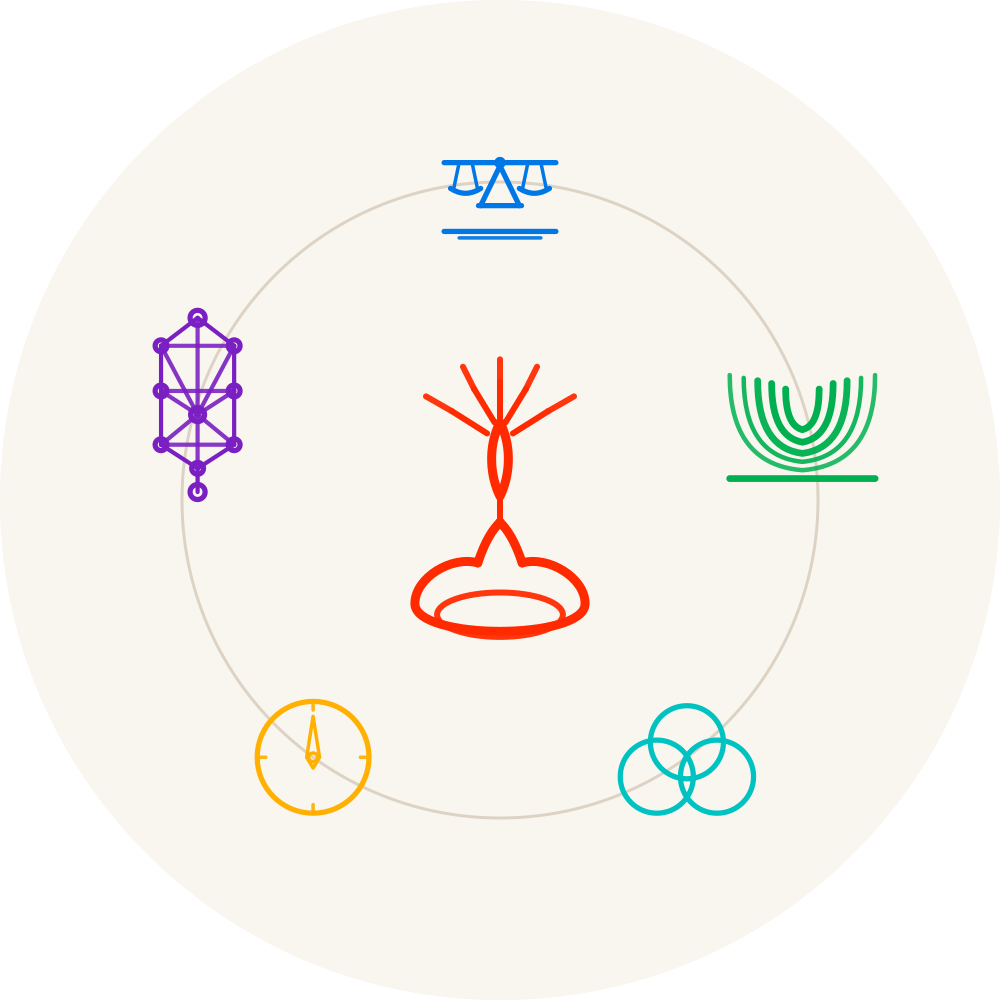
The 11 Core Executive Function Skills
- Response Inhibition – the ability to think before acting
- Working Memory – holding and using information while completing tasks
- Emotional Control – managing emotions in order to function effectively
- Sustained Attention – staying focused despite distraction or fatigue
- Task Initiation – beginning tasks without excessive delay
- Planning & Prioritizing – creating steps and deciding what matters most
- Organization – keeping track of materials and information
- Time Management – estimating and using time effectively
- Goal-Directed Persistence – following through despite obstacles
- Flexibility – adapting to change or new information
- Metacognition – stepping back and evaluating one’s own thinking
Brad’s Executive Function Profile
Brad is not struggling across the board.
He shows relative strengths in:
- Flexibility
- Metacognition (he is aware that something is wrong and feels the impact)
At the same time, several key capacities are underdeveloped:
- Response Inhibition → acts before thinking
- Emotional Control → difficulty managing frustration and impulses
- Sustained Attention → cannot stay with tasks
- Task Initiation → avoids starting work
- Planning & Organization → disorganized thinking and writing
- Goal-Directed Persistence → does not follow through
When these capacities are not in place, behavior often looks like:
- disruption
- avoidance
- impulsivity
- inconsistency
A Key Principle
Anyone will struggle when the demands of the environment exceed the skills they have available.
Brad is being asked to:
- sit
- attend
- organize his thinking
- complete tasks independently
But the internal systems required to meet those demands are not fully developed.
So the behavior becomes the visible expression of that gap.
Integration Before Intervention
Before deciding how to respond, it helps to understand:
- What skills are present?
- What skills are lagging?
- Where is the mismatch between expectation and capacity?
This is the Integration phase—making sense of the system before trying to change it.
From there, more targeted support becomes possible.
Reflection Questions
- How are behaviors like Brad’s typically understood in your community?
- What responses are most common—discipline, support, or a mix of both?
- What kinds of supports are usually offered to students like Brad?
- What diagnoses might be considered—and what do they explain (or not explain)?
- What risks might Brad face if these patterns continue over time?
- If you were Brad’s teacher or counselor:
- How would you support him in the classroom?
- What would you prioritize first?
- How might you guide Brad’s parents in understanding his needs?
- How might a clearer understanding of executive function change the way Brad is seen—and supported?
Closing Thought
Brad’s behavior is not random.
It reflects a specific pattern of strengths and weaknesses.
When we understand that pattern,
we move from reacting to behavior
to responding to what is actually needed.
Update (April 2026):
This piece was originally written to explain executive function through a school-based example.
It remains relevant as more children and teens struggle in environments that demand sustained attention, organization, and self-management.
Understanding the gap between expectations and capacity continues to be essential—for educators, parents, and clinicians alike.
Reference:
PESI training with George McClosky on assessment and treatment of ADHD/Executive Function Deficits

Is there a full size copy of the image I can save?
Hi! Is it possible to get the graphic at the top of the page in a printable format? When I tried to copy it from the page it is very fuzzy and unreadable, but I love the idea of having a visual for the 11 executive skills. Thank you!
I can add a link to the graphic. Thank you for the suggestion.
That would be very helpful! Thank you!
Jaime, I just embedded the visual and added a link below the infographic.
Thank you, Emily. I fixed the infographic and added a link.