
For those experiencing chronic low mood, feeling stuck, or repeating patterns in relationships and daily life.
This is a guided reflection I use in my work with clients.
It’s designed to help you slow down a real moment—so you can begin to see how your patterns actually unfold, and where change becomes possible.
If you’ve been living with a quiet, persistent weight—going through the motions without a real sense of movement—this can help you begin to understand why.
You don’t need to do it perfectly.
Just begin where you are.
What This Helps With
This reflection can be helpful if you:
- Feel stuck in the same patterns, even when you’re trying to change
- Experience a low level of mood or energy that doesn’t seem to lift
- Find yourself reacting in ways you don’t fully understand
- Struggle to follow through on what you want to do
- Feel disconnected from what matters to you
What You’ll Be Doing
This is not about analyzing yourself or finding the “right answer.”
It’s a way of slowing down a real moment so you can begin to see:
- What happened
- What it meant to you
- What you felt and how your body responded
- What you did next
- And what effect that had
This process develops your capacity for Orientation—the ability to understand where you are in a moment and how your responses shape what comes next.
To do this, you’ll also be drawing on:
- Stabilization — slowing down enough to notice what’s happening without being overwhelmed
- Integration — recognizing different internal responses (thoughts, emotions, body sensations) as part of a larger pattern
From there, something important begins to shift:
There may be more room for choice than it feels like in the moment.
How to Use This Reflection
- Choose one specific situation (not a general pattern)
- Move through the steps slowly
- If you get stuck, pause—there’s no need to force an answer
- Even partial awareness is meaningful
You can use this:
- On your own
- Or bring it into a therapy session to explore together
Download the Reflection
A Note on the Approach
This reflection is informed by a therapy model developed specifically for chronic depression: Cognitive Behavioral Analysis System of Psychotherapy (CBASP), created by James P. McCullough Jr.
In my work, I integrate this with:
- Somatic awareness (working with the body)
- Parts-based work (understanding different internal responses)
- A focus on meaning and direction
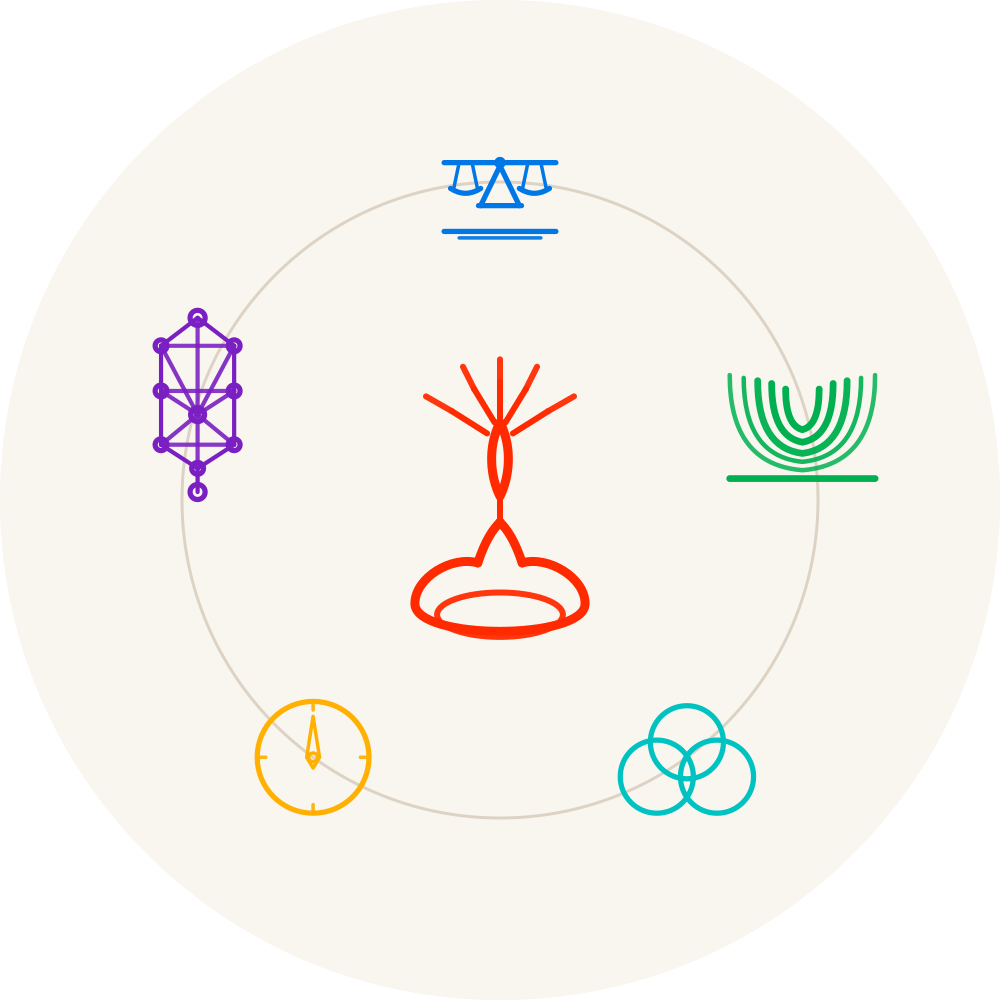
This sits within a broader developmental framework I use in my work, where change unfolds across several capacities:
- Stabilization — developing steadiness and regulation
- Containment — building internal structure and boundaries
- Integration — working with different parts of experience
- Orientation — understanding where you are and what your actions lead to
- Alignment — choosing and living in a way that reflects what matters
This particular reflection primarily develops Orientation, supported by Stabilization and Integration.
The aim is not just to feel differently, but to gradually develop the capacity to:
notice
pause
and choose how you want to respond
If you want support working with these patterns
If you find this reflection helpful and want support applying it to your own patterns, you’re welcome to reach out.
Closing
Change doesn’t begin with forcing yourself to feel differently.
It begins with seeing clearly enough to recognize where choice is possible—even in small moments.
This is a practice of returning—not to automatic reactions,
but to awareness, to steadiness, and to direction.
Over time, this is how a different kind of life is built:
not all at once, but through small, repeated moments of choosing.